What We Do

AI/ML, Scientific Modellingand Technical Advisory

Advancing scientific rigour, AI-driven intelligence, and evidence-led solutions to translate complex data into high-impact, sustainable outcomes.

Science as the Foundation of Climate Action

Climate and environmental challenges demand rigorous measurement, modelling, and forecasting before they can become policy. GR grounds every recommendation in atmospheric science, systems modelling, and quantitative analysis tailored to India’s hyper-local realities.

Bridging Complex Science and Actionable Policy

Sophisticated models are only as useful as the decisions they inform. GR translates atmospheric chemistry, economy-energy-environment dynamics, and machine-learning outputs into clear, decision-ready intelligence.

Building Scalable, High-Resolution Evidence Systems

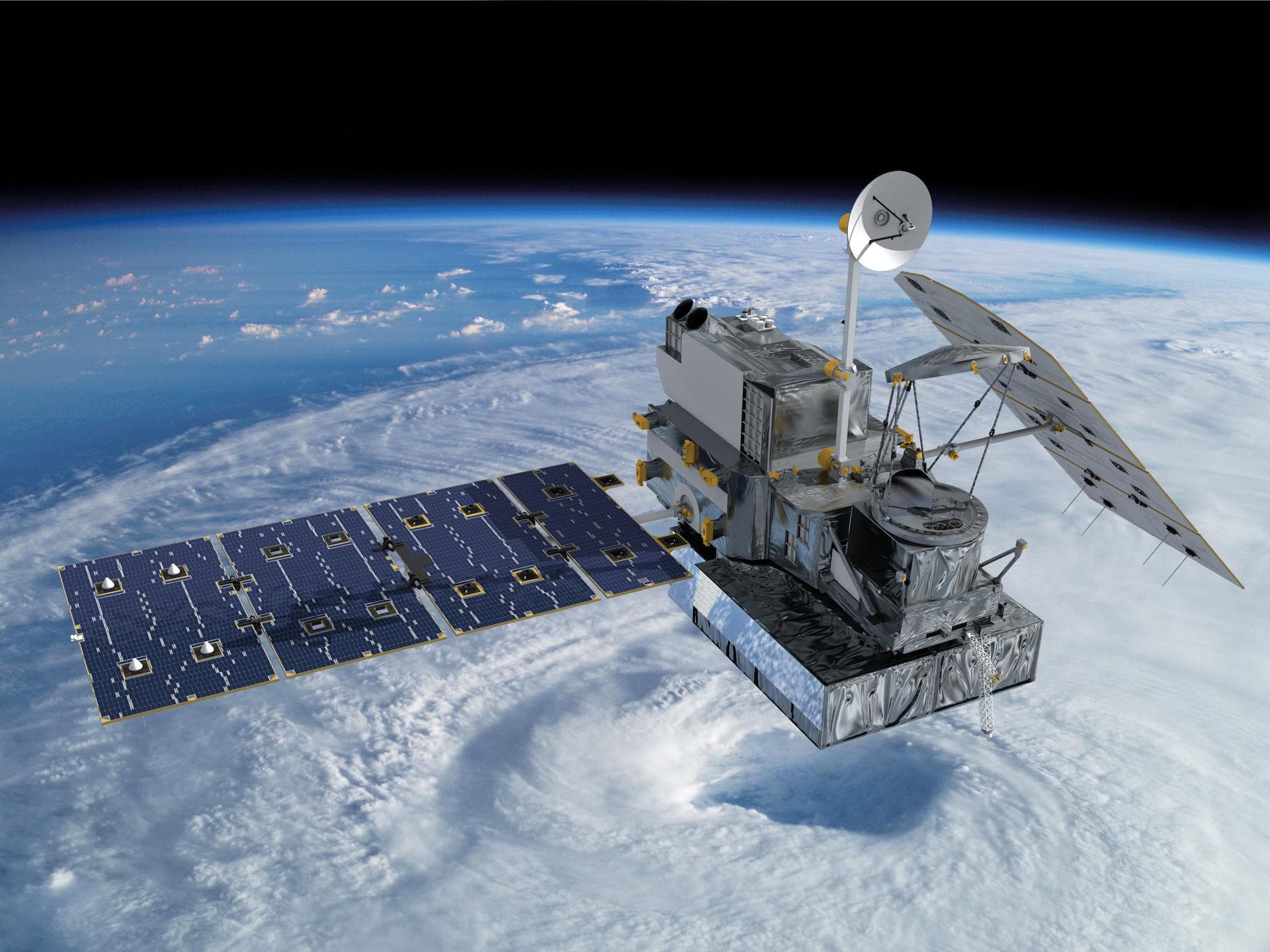
By fusing satellite observations, low-cost sensors, and research-grade monitoring with First Principles and ML frameworks, GR builds evidence systems that are hyper-local, high-resolution, and cost-effective.

Scroll to explore

How We Do It

How we do it: rigorous measurement, modelling, and forecasting for evidence-led policy.

Atmospheric and Chemical-Transport Modelling

Atmospheric and Chemical-Transport Modelling

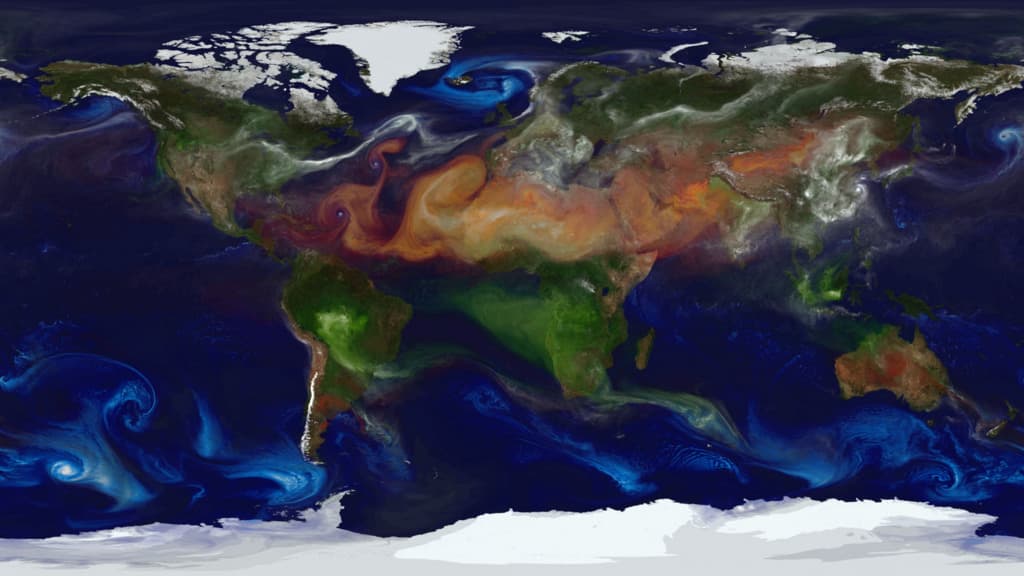
We develop advanced atmospheric and chemical-transport models to support air quality and climate-based assessments. These models enable scenario testing across emission and policy pathways, alongside high-resolution forecasting that captures local-scale pollutant transport and transformation. By coupling meteorological drivers with emissions inventories, we translate complex atmospheric chemistry into actionable insight for air quality management and climate mitigation planning.

Integrated Economy-Energy-Environment Modelling

Integrated Economy-Energy-Environment Modelling

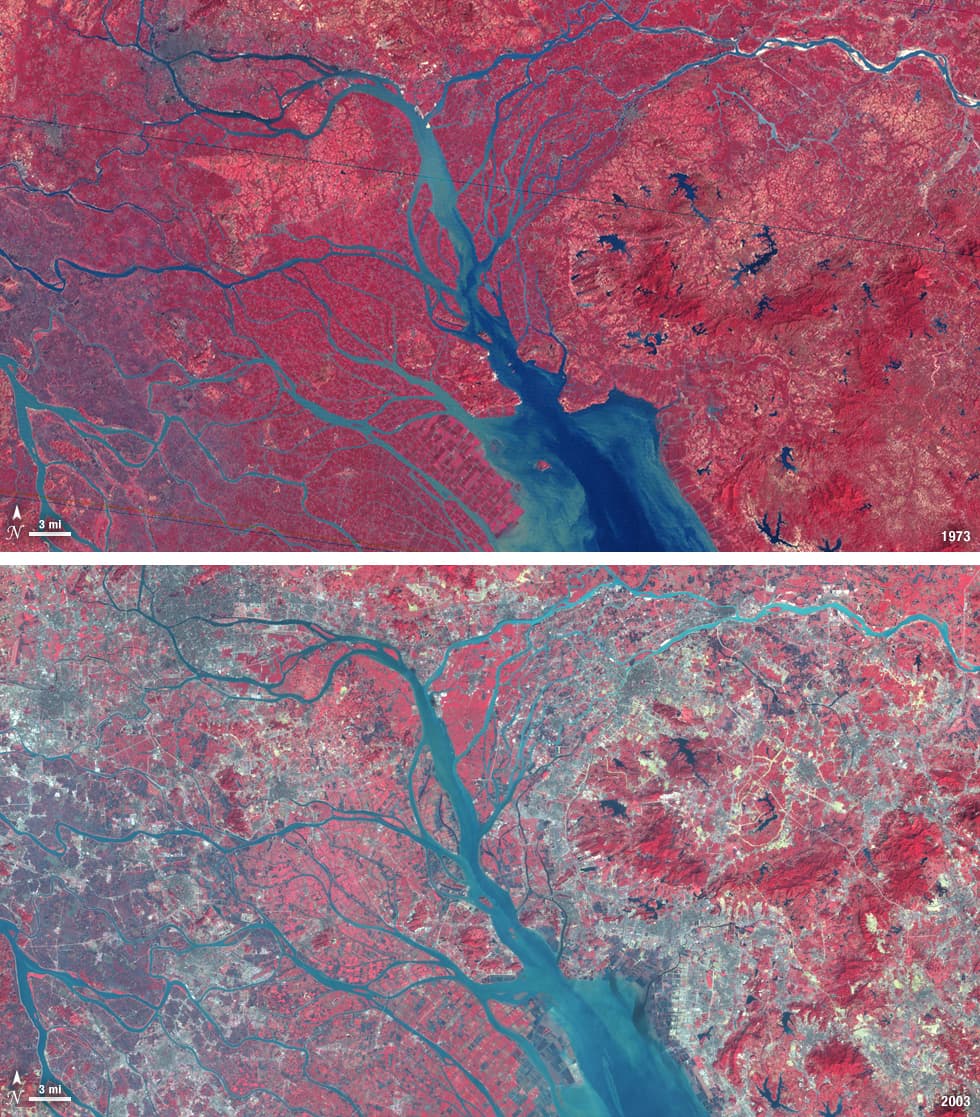
We build integrated models that link economic activity, energy systems, and environmental outcomes within a single analytical framework. These models support policy formulation and climate financing strategies by quantifying trade-offs and synergies across sectors, helping decision-makers understand how energy transitions, economic growth, and environmental targets interact and can be aligned.

Life-Cycle and Systems Assessment

Life-Cycle and Systems Assessment

We conduct life-cycle analysis and end-to-end systems assessments to evaluate the full environmental footprint of technologies, products, and interventions. This approach traces impacts from raw material extraction through production, use, and disposal, providing a comprehensive evidence base for comparing alternatives and identifying where interventions deliver the greatest climate and environmental benefit.

Machine Learning and Multi-Source Data Fusion for Regional Planning

Machine Learning and Multi-Source Data Fusion for Regional Planning

We fuse satellite observations, low-cost sensor networks, and research-grade monitoring data using First Principles and machine learning frameworks, overcoming the limitations of any single data source. These fused datasets power rapid, cost-effective ML assessments that turn complex climate models into actionable, hyper-local insights, translating global and national-scale climate science into the granular, decision-ready information that enables effective policy action.