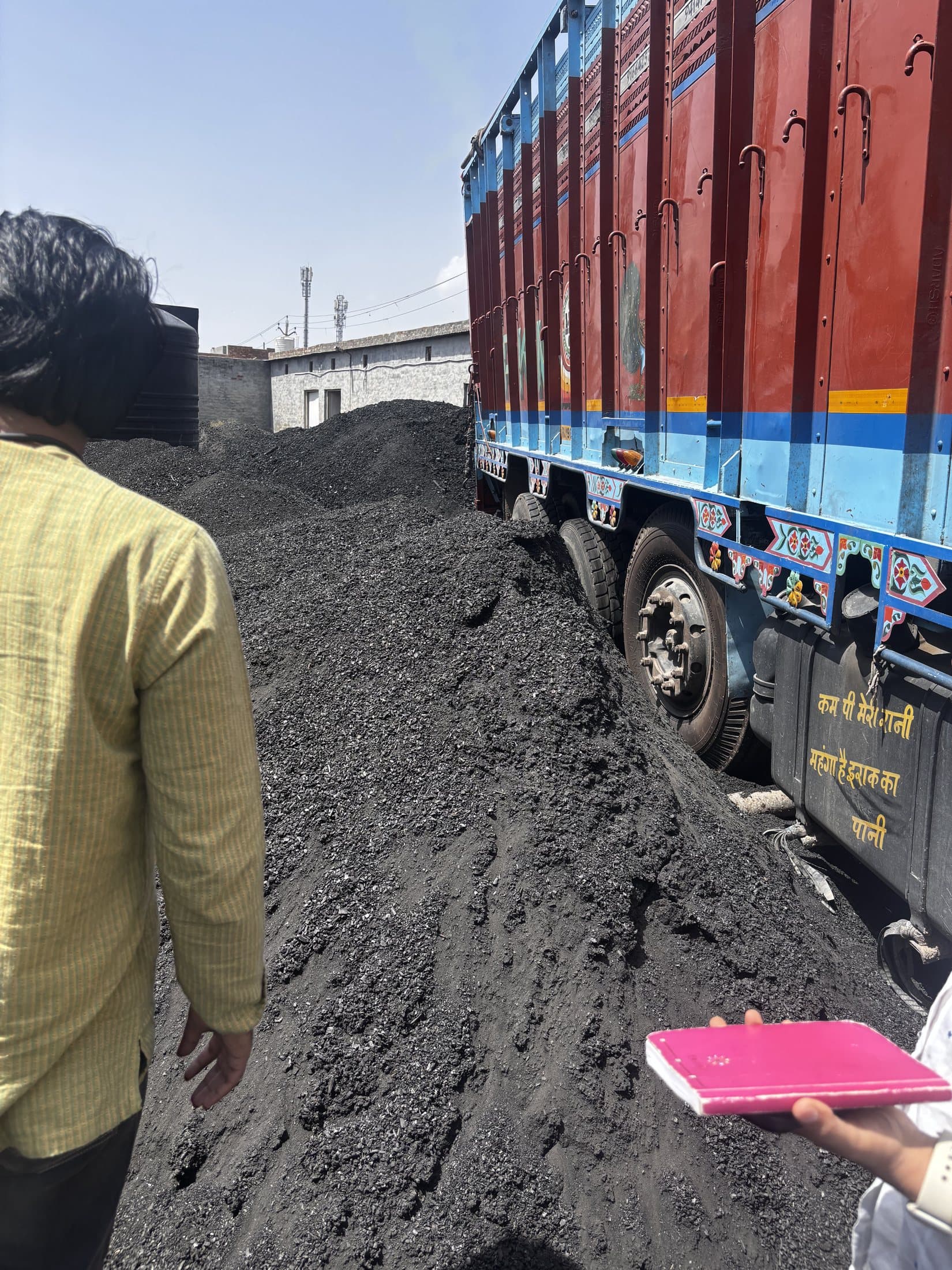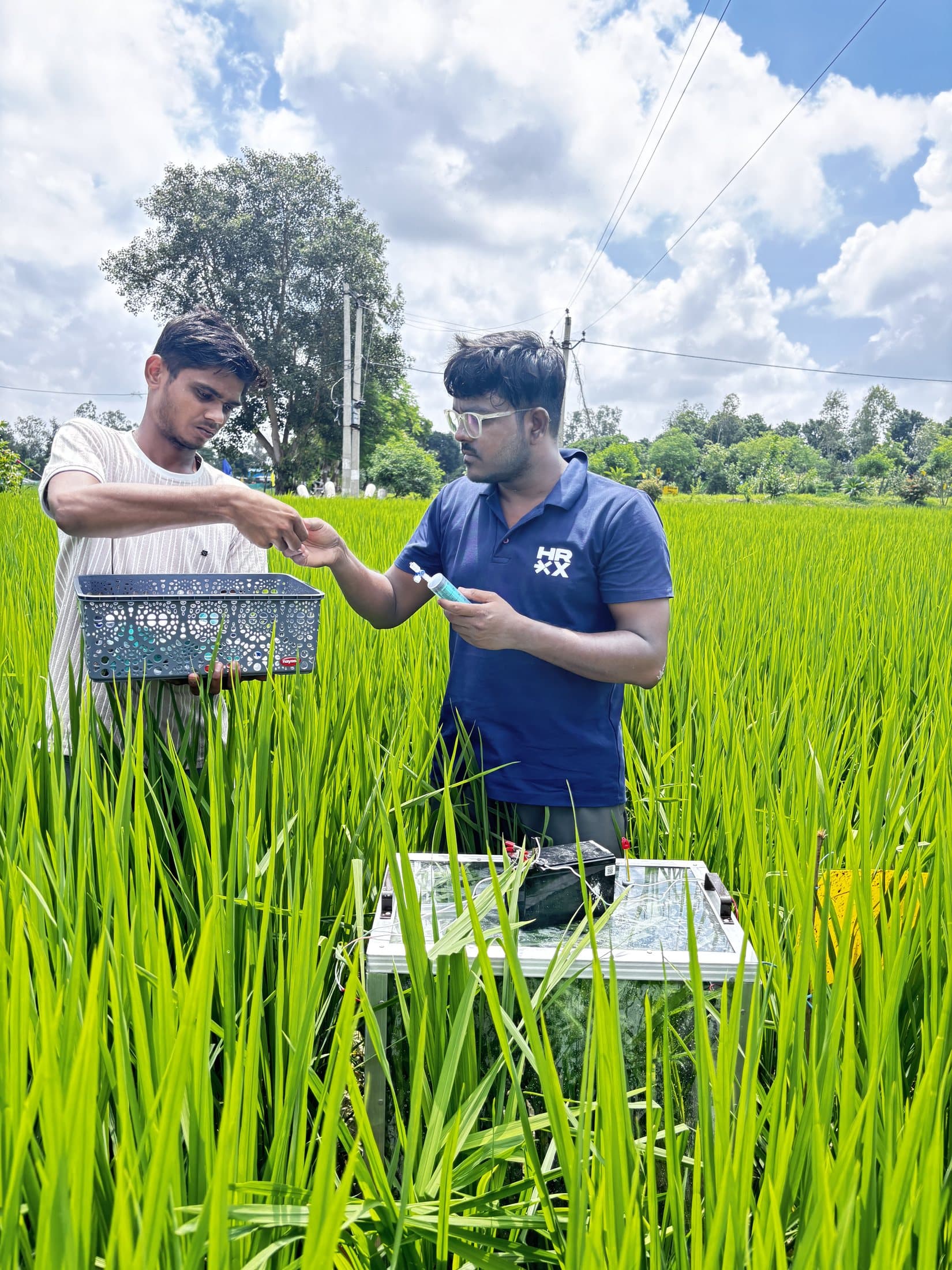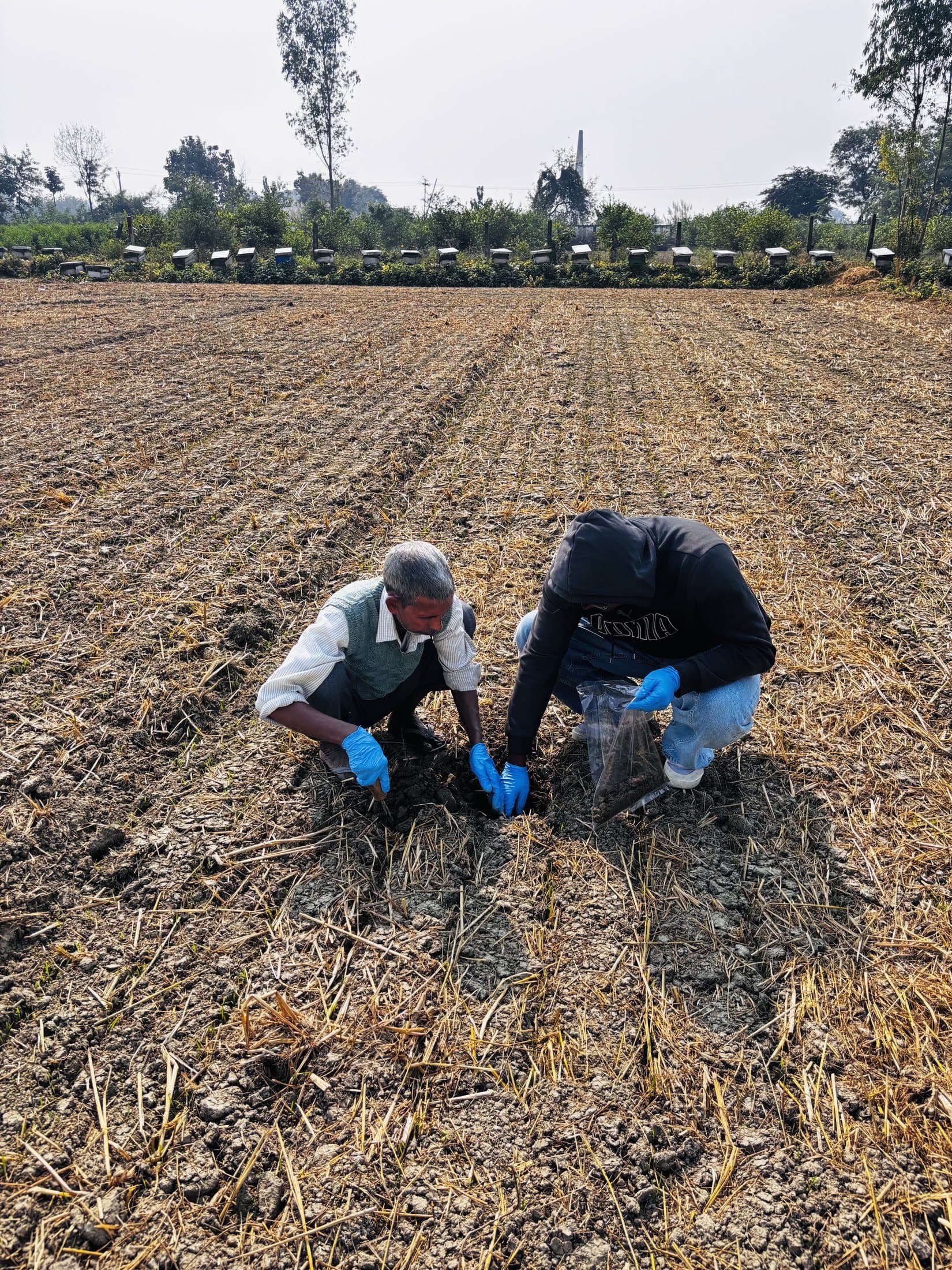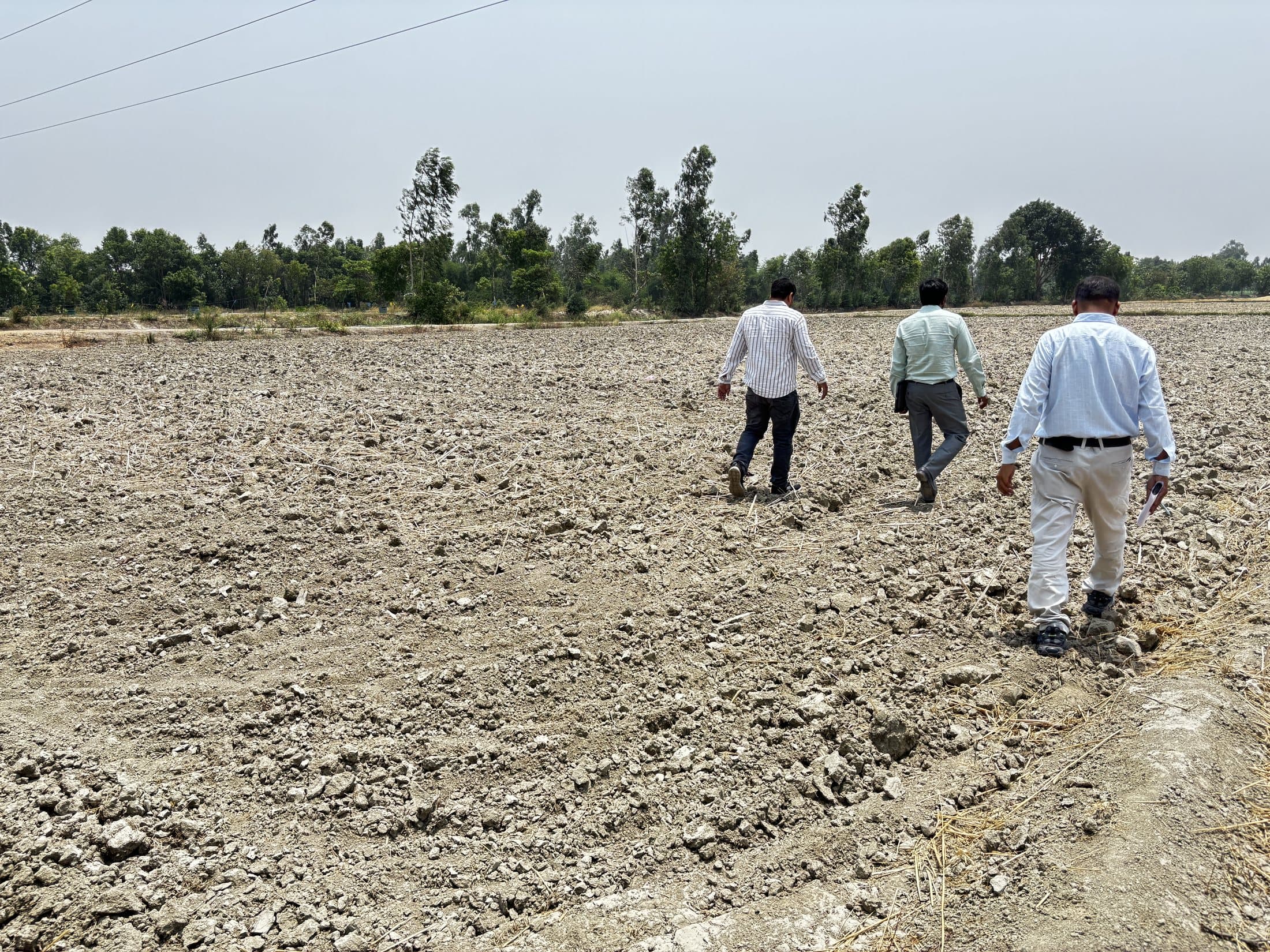
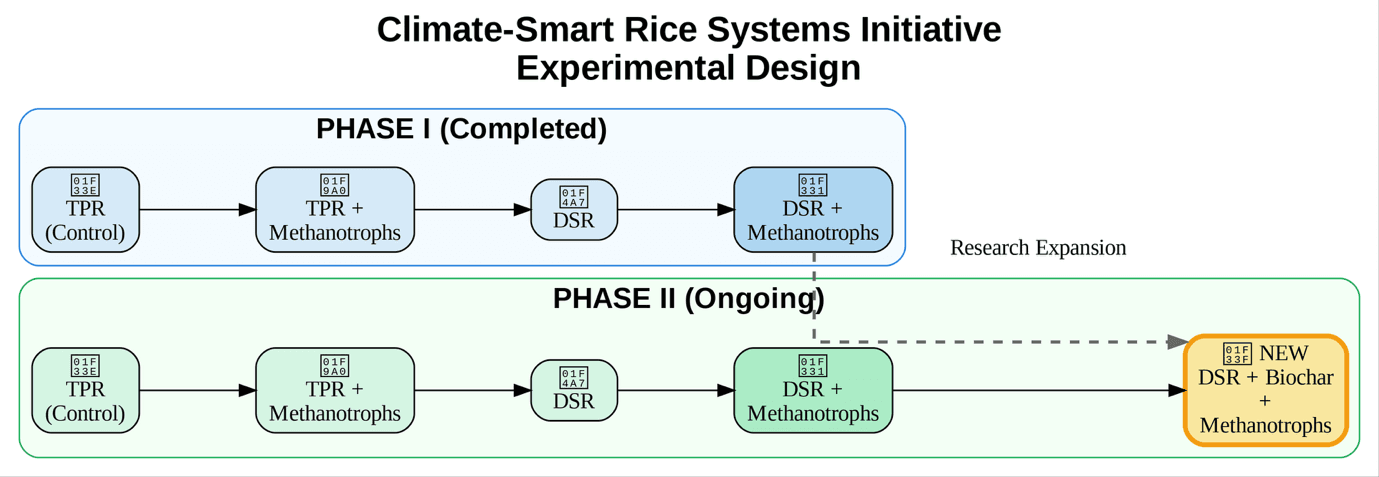
Adopted a multi-intervention (stacked) approach, evaluating Direct-Seeded Rice and methanotrophs (MT-22), developed by ICAR–NRRI, both individually and in combination against conventional transplanted rice to understand their combined impacts on GHG emissions, crop productivity, and resource use.
Climate-Smart RiceSystems Initiative in theIndo-Gangetic Plains
Generating scientific evidence for scalable GHG mitigation across India’s rice systems through field pilots.
A multi-phase field research program evaluating innovative GHG-mitigation technologies to support climate-smart agriculture and evidence-based policymaking.
- Study sites
- Sitapur & Jaunpur, Uttar Pradesh
- Status
- Phase II · Ongoing
Overview
The Climate-Smart Rice Systems Initiative is the flagship field research program under the UP Accelerator, a partnership of the Government of Uttar Pradesh and the World Bank, working to expand Direct-Seeded Rice across 250,000 hectares in Uttar Pradesh.
Through multi-season field trials, greenhouse-gas measurements, and policy research, the program evaluates how innovative interventions can attain climate co-benefits while maintaining crop productivity and improving resource efficiency, generating field-based evidence before large-scale deployment.
Implemented in collaboration with KVK Sitapur and KVK Jaunpur, it is designed to produce evidence that can support government programs, private-sector innovation, and climate-smart agriculture across the Indo-Gangetic Plains.
Study sites
Uttar Pradesh, India
Research timeline
The program evaluates the combined effectiveness of Direct-Seeded Rice (DSR), methanotrophs, and biochar in reducing GHG emissions, phased across successive seasons of field trials.

Swipe to see the full design →
Building on Phase I, the program has expanded to add biochar as an additional intervention, extending the stacking approach.
- Validation of Phase I findings
- Multi-season monitoring
- Biochar application
- Soil health assessment
- Life Cycle Assessment (LCA)
- Scientific publications
Program at a glance
- Hectares, Targeted for Direct-Seeded Rice expansion
0
Hectares
Targeted for Direct-Seeded Rice expansion
- Districts, Field study sites across Uttar Pradesh
0
Districts
Field study sites across Uttar Pradesh
- Interventions, Stacked and evaluated in combination
0
Interventions
Stacked and evaluated in combination
- Phases, Phase II ongoing in the field
0
Phases
Phase II ongoing in the field
Why this program
Farmer Benefits
Improving crop yields by 5–15%, so climate-smart practices deliver real returns in the field.
Water Savings
Reducing water use by 30% through direct-seeded rice, easing pressure on groundwater.
Evidence for Policy
Generating rigorous, field-based scientific evidence to inform state and national agricultural and climate policies.
Climate Co-benefit
Reducing GHG emissions from rice cultivation, one of agriculture's largest emission sources, by 40–60%.
Interventions
A science-based, layered approach that integrates DSR, methanotroph, and biochar to maximize climate and agricultural benefits. This combined approach reduces methane emissions and global warming potential, conserves irrigation water, enhances soil microbial activity and long-term soil health, maintains or improves crop productivity, and increases farm profitability creating a sustainable model for climate-smart rice cultivation.

Intervention 01
Direct-Seeded Rice
A water-saving rice establishment method that eliminates continuous flooding, cutting GHG emissions while conserving irrigation water.

Intervention 02
Methanotroph (MT-22)
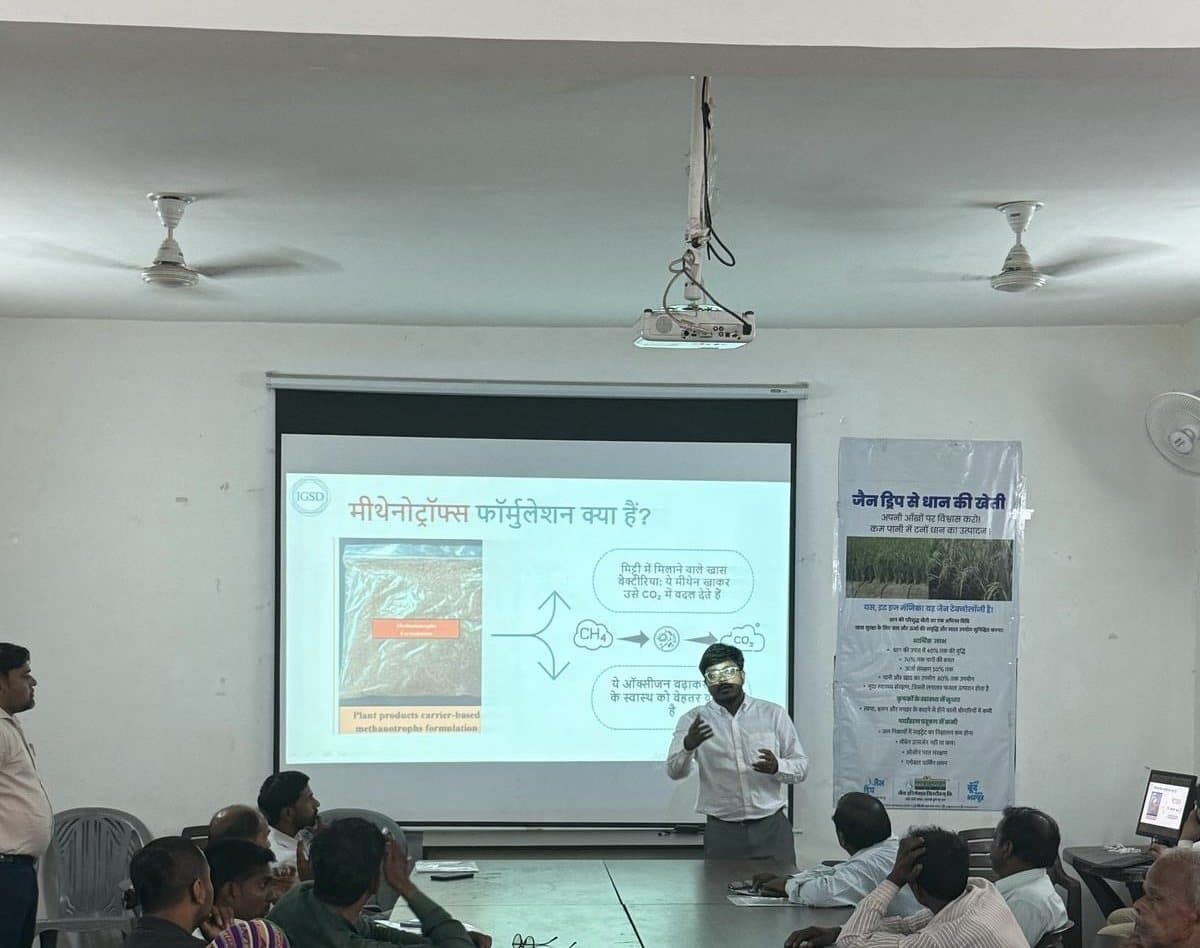
A biological agent developed by ICAR–NRRI that oxidises GHG in the soil, reducing emissions at the source.

Intervention 03 · New in Phase II
Biochar
Improves soil health while contributing to greenhouse-gas mitigation and long-term carbon sequestration benefits.
Measurement & scientific approach
The program integrates direct field measurements, soil microbial analysis, and scientific modelling to generate robust and scalable evidence on greenhouse gas mitigation in rice cultivation.

Direct Field Measurements
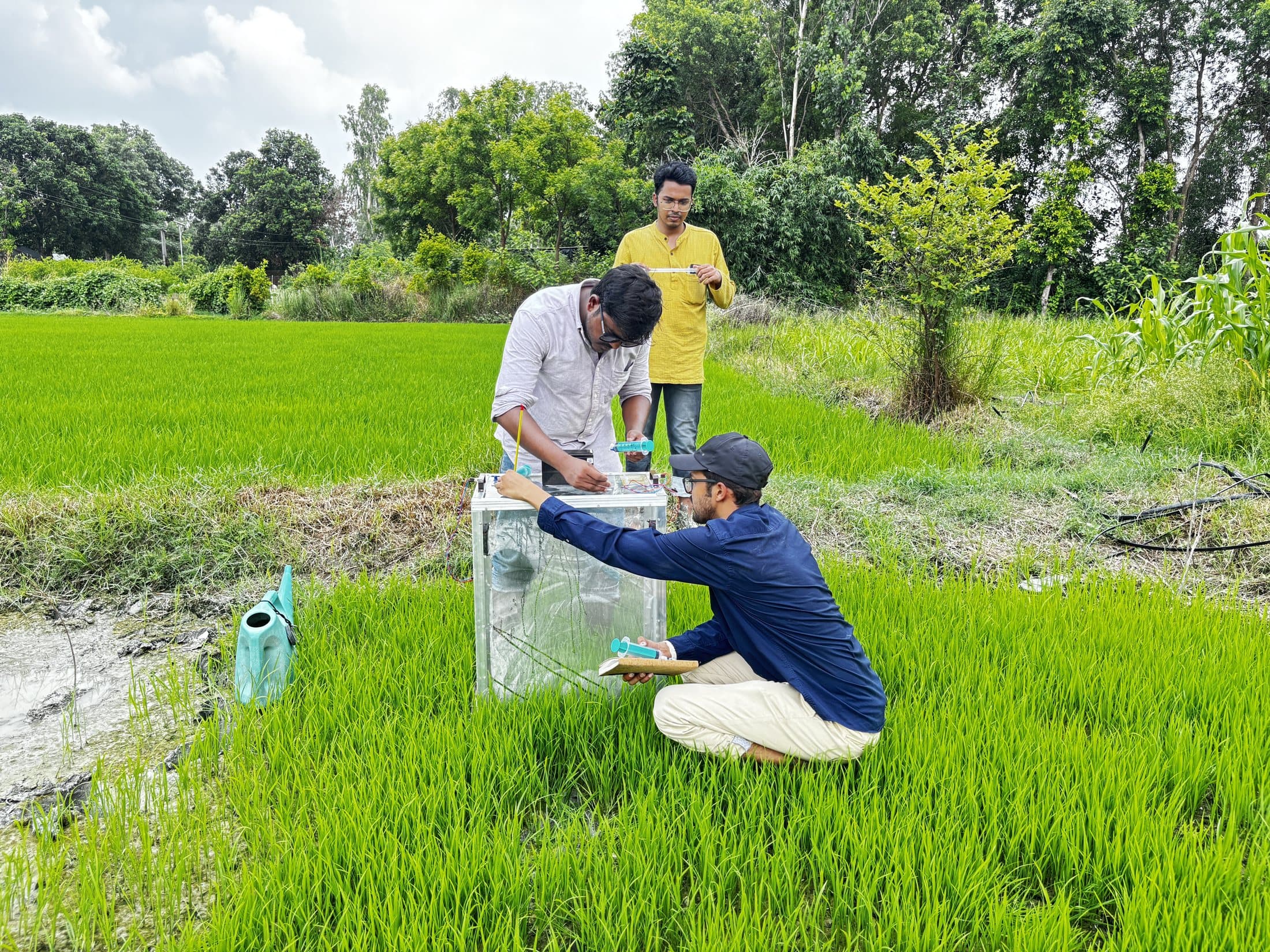
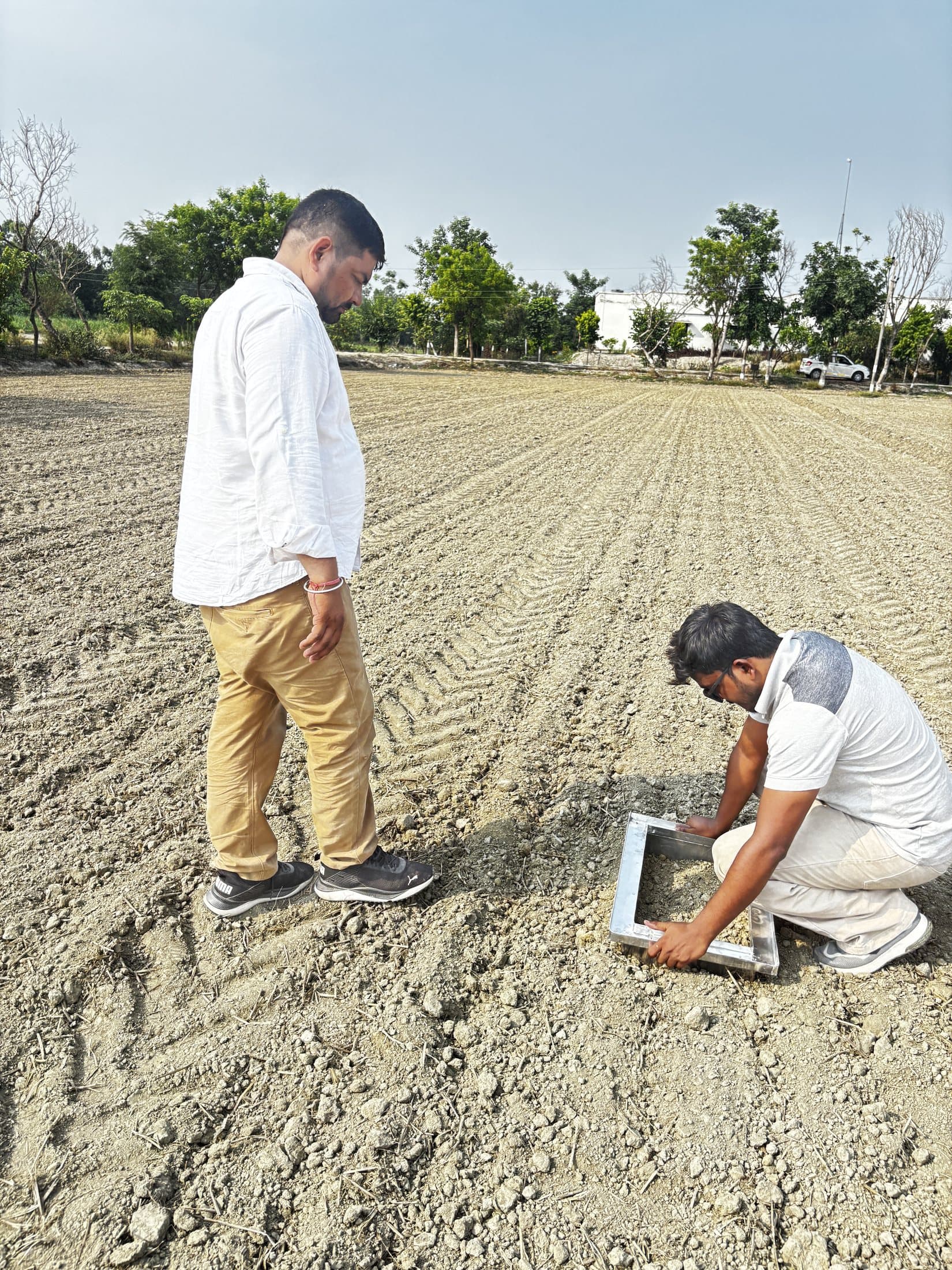
GHG emissions are measured using the Closed Static Chamber Method, followed by Gas Chromatography analysis to quantify emissions under different rice management practices. The program also monitors crop yield, irrigation, and soil parameters to evaluate the overall performance of each intervention.
- Closed static chamber
- Gas chromatography
- Yield & irrigation monitoring

Soil Microbial Analysis
Pre- and post-season soil samples are analysed using DNA-based microbial profiling (16S rRNA sequencing) to assess the relative abundance of methanogens and methanotrophs, showing how each intervention shifts the soil communities responsible for GHG production and oxidation.
- 16S rRNA sequencing
- Methanogens
- Methanotrophs
Key findings
- +0.00%
Methanotrophs under DSR
Increase in relative abundance of methane-oxidising bacteria.
- 16S rRNA sequencing reads a marker gene shared by all bacteria to identify which groups are present, and in what proportion. The V3–V4 region is the stretch of that gene used here.
V3–V4 sequencing
DNA-based profiling used to identify the soil microbial community.
- Sitapur
Study site
Microbial sampling ran at the Sitapur site in Uttar Pradesh only.
- Pre & post
Sampling method
Soils sampled before sowing and again after harvest.
How the community shifts under DSR
- TPR (control)
- DSR
Soil bacteria that consume methane, oxidising it to CO₂ before it can escape to the atmosphere. More of them means less methane leaving the field. · Methane-oxidising
+0.50% under DSR
Methanotrophs: relative abundance is higher under Direct-Seeded Rice than under transplanted rice.
Microorganisms that produce methane in waterlogged, oxygen-starved soils — the source of most emissions from flooded rice. · Methane-producing
Lower under DSR
Methanogens: relative abundance is lower under Direct-Seeded Rice than under transplanted rice.
Marker positions show the direction of change between transplanted rice and Direct-Seeded Rice, not measured magnitude. The methanotroph figure is the Phase I sequencing result from Sitapur.
Research insight
Soil microbial communities shifted towards greater methane oxidation after cultivation, indicating the potential for reduced methane emissions.
Phase I findings indicate promising trends. Additional multi-season studies are underway to validate these results.

Scientific Modelling for Scale
The field-generated dataset is used to calibrate and validate greenhouse gas models, enabling assessment of mitigation potential beyond the pilot sites. This integrated approach supports landscape-scale emission estimates and provides evidence for policy formulation and the large-scale adoption of climate-smart rice systems.
Early findings
Findings to date come from controlled experimental conditions and provide encouraging scientific evidence for wider evaluation.
Reduced Greenhouse-Gas Emissions
A ~50% reduction in GHG emissions through the combined application of Direct-Seeded Rice and methanotrophs, compared with conventional transplanted rice systems.
Improved Crop Performance
A 5–10% improvement in crop performance under experimental conditions, showing climate benefits need not come at the cost of productivity.
Substantial Water Savings
A 30–40% reduction in water use through Direct-Seeded Rice, highlighting its potential to improve water-use efficiency alongside climate co-benefits.
Scaling Potential
The findings provide scientific evidence to support wider adoption through the Uttar Pradesh DSR programme covering approximately 250,000 hectares, with significant potential for GHG reduction, water savings, and improved farmer productivity.
Indicative results from ongoing multi-season trials. Validated findings will be released through the program’s deep dive report and peer-reviewed scientific publications.
Program outputs
Evidence only counts once it leaves the field. Each output is released as its phase completes, so findings reach policymakers and practitioners while the trials are still running.
Knowledge products
Deep Dive Report
Comprehensive synthesis of field evidence
Policy Brief
Actionable inputs for state & national policy
Scientific Publications
Peer-reviewed research outputs
Scientific Dataset
Open field-measurement data
Engagement & uptake
Government Advisory
Guidance for program scaling
Private Sector Engagement
Innovation & deployment pathways
From the field
Drag to explore · click any photo
In collaboration with
The institutions that fund, verify, and deliver the program in the field.
- The World Bank Group
- Department of Agriculture, Government of Uttar Pradesh
- Indian Council of Agricultural Research
- Krishi Vigyan Kendra–II, Katiya, Sitapur
- Bihar Agricultural University, Sabour
- People's Action for National Integration
What We Do